
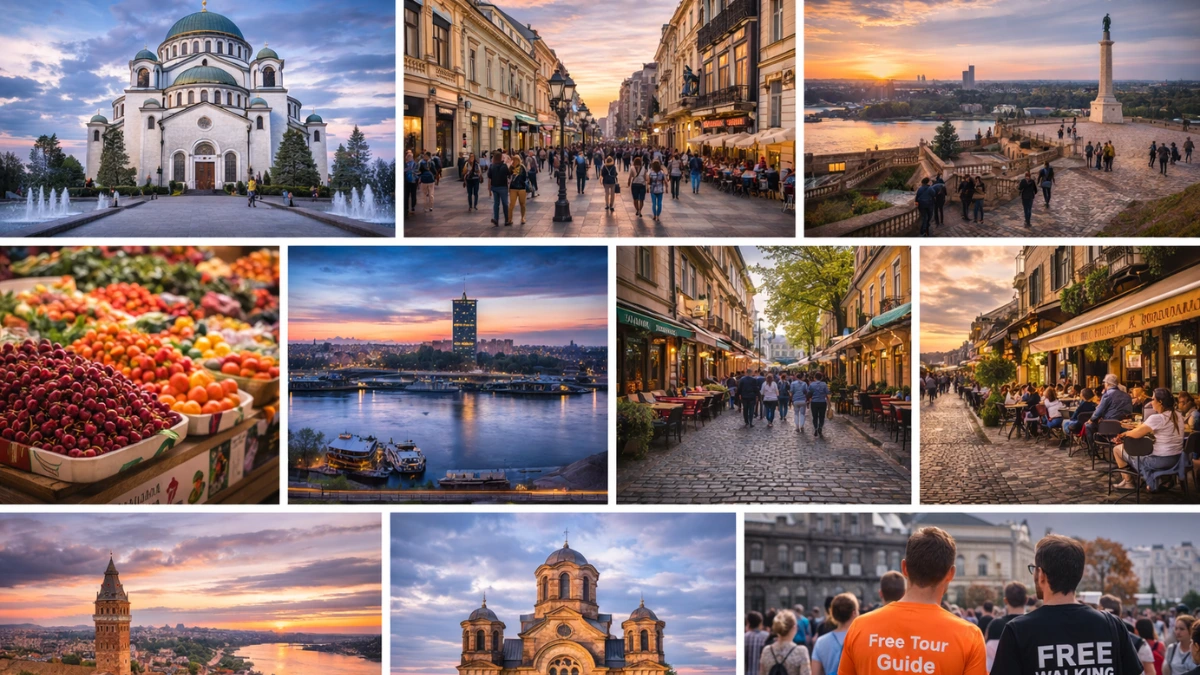
This post covers the best things to do in Belgrade Serbia. To be honest, Belgrade was never high on my list of cities I felt excited about visiting. When I thought of European city breaks, Serbia’s capital rarely came to mind, and I struggled to picture what I would actually do there. It did not register as a typical holiday destination, and I had no strong expectations going in.
Belgrade entered my travel plans almost accidentally. While booking a flight to Lebanon, I discovered that the cheapest option involved flying with Air Serbia and included a long layover in Belgrade. Instead of treating it as wasted time, I decided to step outside the airport and explore the city. What followed was a genuine surprise. Belgrade turned out to be far more interesting than I imagined, packed with history, lively neighborhoods, and an atmosphere that feels both raw and welcoming.
Eating in one of the traditional restaurants in the Skadarlija neighborhood quickly became one of my favorite experiences and one of the top things to do in Belgrade Serbia. As I wandered around, it became clear that the city offers a wide range of activities, from historic landmarks and markets to riverside walks and cultural districts. By the end of my short stay, I realized there are plenty of things to do in Belgrade and many reasons to return.
Why Visit Belgrade Serbia
I will admit that my initial perception of Serbia was shaped by stories I heard growing up. My first travels in the Balkans took me to nearby Croatia and Bosnia, and at that time, memories of the Yugoslav wars were still fresh. Serbia often appeared in conversations tied to conflict rather than culture, which influenced how I viewed the country without really knowing it.
More than two decades later, the reality on the ground feels completely different. The war is long over, and what I encountered in Belgrade was a youthful, energetic city that blends Eastern European traditions with a modern, creative spirit. Belgrade is lively, dynamic, and constantly evolving. It offers a compelling mix of history, architecture, nightlife, and green spaces, all of which contribute to the long list of things to do in Belgrade.
In recent years, Belgrade has developed a reputation as one of Europe’s emerging cool capitals. Old industrial buildings dating back to the communist era under Tito have been transformed into cultural hubs, galleries, and event spaces. At the same time, the city has preserved its architectural heritage, leafy parks, and bustling local markets right in the city center.
For a long transit stop, I could not have asked for a better destination. One day was enough to scratch the surface, but it quickly became clear that Belgrade deserved more time. Two years later, I returned for a longer visit to explore the city properly and experience more of what it has to offer.
In this guide, I will walk you through the best things to do in Belgrade Serbia, based on my own experiences.
The Best Things to Do in Belgrade Serbia
St Sava Cathedral
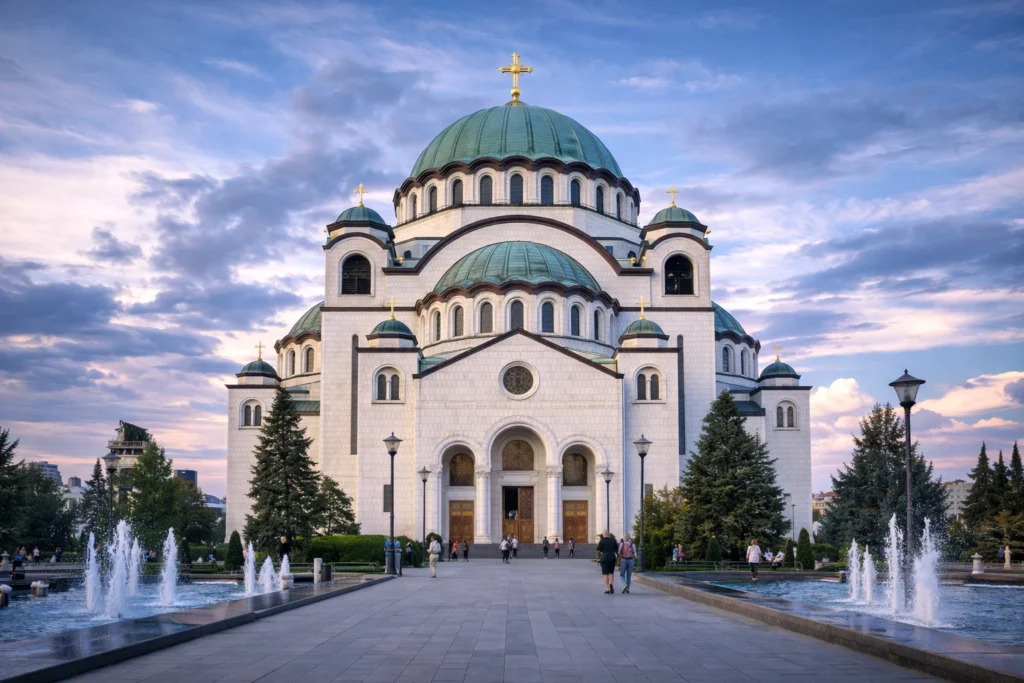
The Church of Saint Sava is often referred to as a cathedral, but technically it is the largest Eastern Orthodox church in the world rather than a cathedral seat. Regardless, it is one of the most impressive landmarks in the city and easily ranks among the best things to do in Belgrade.
Dedicated to Saint Sava, a medieval Serbian prince who later became a monk, the church is deeply tied to Serbian identity. Saint Sava played a central role in founding the Serbian Orthodox Church, and today the building stands as a powerful symbol of national and religious pride. Orthodox Christians from across the world visit as pilgrims.
Construction of the church began in 1935, but progress was interrupted multiple times due to war and political changes. It took several decades for the building to reach its current form, making it a project shaped by Serbia’s complex modern history.
The exterior is striking, with a massive central dome rising approximately 70 meters high, surrounded by four smaller domes and a bell tower. While the interior is still relatively simple compared to its monumental exterior, the sense of scale alone makes it worth visiting.
Knez Mihailova Street
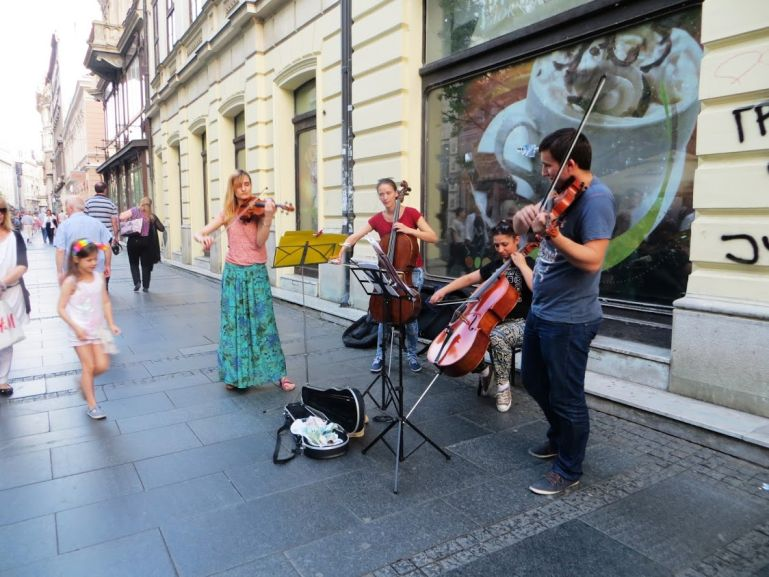
From the Church of Saint Sava, I walked toward Knez Mihailova Street, Belgrade’s main pedestrian thoroughfare. This iconic street runs through the heart of the Old Town and is named after Prince Mihailo Obrenović, an important historical figure in Serbia.
Knez Mihailova is always full of life. Shops, cafés, and restaurants line both sides of the street, and street musicians often perform, adding to the lively atmosphere. It is the main shopping street in Belgrade, but also a place to simply stroll and soak up the city’s rhythm.
Architecturally, the street is one of the most beautiful in Belgrade. Elegant buildings from the Austro Hungarian period dominate the landscape, painted in soft pastel tones. Baroque and neoclassical influences are clearly visible, giving the area a distinctly European feel.
Zeleni Venac Market
Just a short walk from Knez Mihailova lies Zeleni Venac, one of the oldest and most authentic green markets in Belgrade. Despite its central location, it remains largely overlooked by tourists, which makes it feel refreshingly local.
This is the place to see everyday Belgrade life in action. Stalls overflow with fresh fruits, vegetables, nuts, and seasonal produce. It is also an excellent spot to sample Serbian food culture. Homemade ajvar, kajmak, pickled peppers, and local honey are sold in jars and make excellent edible souvenirs.
You can also find local cheeses and ratluk, Serbia’s version of Turkish delight. Wandering through the market is one of the most enjoyable things to do in Belgrade, especially if you want to understand the city beyond its landmarks.
Kalemegdan Fortress
Kalemegdan Park and Fortress quickly became one of my favorite places in Belgrade. Locals of all ages gather here, from elderly men playing chess to young couples enjoying quiet walks.
The fortress has an incredibly layered history. Originally built by the Romans after conquering Celtic tribes, it was later modified by Byzantines, Ottomans, and Habsburgs. It suffered damage during World War II and was later restored, adding yet another chapter to its long story.
Today, Kalemegdan is home to several museums, including the Military Museum and the Belgrade Fortress Museum. However, its greatest attraction is completely free. Sitting high above the city, it offers sweeping views over Belgrade and the dramatic confluence of the Danube and Sava rivers.
Visiting in the late afternoon is ideal, as the sunset from the fortress is one of the most beautiful sights in the city.
Danube River
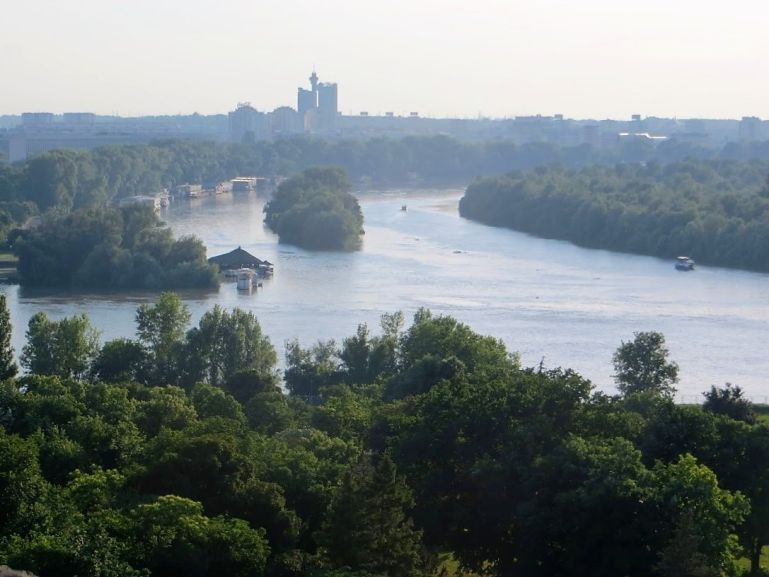
The Danube River plays a huge role in shaping Belgrade’s character. From Kalemegdan Fortress, you get some of the best panoramic views of this mighty river.
Another great way to enjoy the Danube is by taking a river cruise or walking through the nearby Park of Friendship and Usce Park. Along the riverbanks, you will find cafés and restaurants where you can sit, relax, and watch the water flow past the city.
Skadarlija the Bohemian Quarter
Exploring Skadarlija was one of my favorite things to do in Belgrade. This small historic neighborhood has a bohemian charm that feels worlds away from the city’s modern blocks.
Skadarlija’s history dates back to the early nineteenth century when it became home to Roma communities. Over time, inns and cafés opened, attracting writers, poets, and actors. Today, the cobblestone street remains closed to traffic and lined with colorful restaurants, art galleries, and cafés.
It is the perfect place to slow down, enjoy traditional Serbian food, and experience the city’s artistic soul.
Republic Square
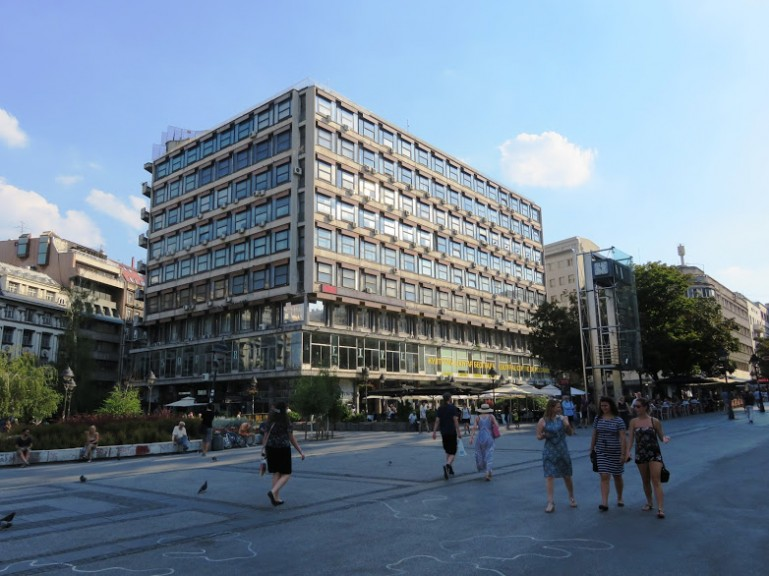
Republic Square is Belgrade’s central meeting point and a great place for people watching. It is surrounded by important landmarks such as the National Museum, the National Theatre, and the Serbian Army House.
At the center of the square stands the statue of Prince Mihailo on horseback, which locals often use as a reference point when meeting friends. The square is lively throughout the day and evening, making it a natural hub for exploring the city.
St Mark’s Church
St Mark’s Church offered a quieter and more reflective experience. While it is less famous than Saint Sava Cathedral, I personally found its interior more atmospheric.
Built between 1931 and 1940, the church stands on the site of an earlier building destroyed during World War I. Its construction was commissioned by King Alexander I to commemorate the liberation of Belgrade in 1918.
The design draws inspiration from Byzantine and medieval Serbian architecture, and the interior features rich mosaics and a peaceful ambiance that invites lingering.
Zemun
Zemun rivals Skadarlija for the title of Belgrade’s most charming area. Once a separate town, Zemun has its own identity shaped by centuries under Roman, Byzantine, Ottoman, and Habsburg rule. It officially became part of Belgrade in 1934, yet it still feels distinct.
Unlike the concrete apartment blocks found elsewhere in the city, Zemun has a relaxed, small town feel. The river promenade, historic buildings, and quiet streets make it a wonderful place to explore.
Climbing Gardos Hill is highly recommended. From the Gardos Tower, you get panoramic views over the Danube and the surrounding area.
Free Walking Tours
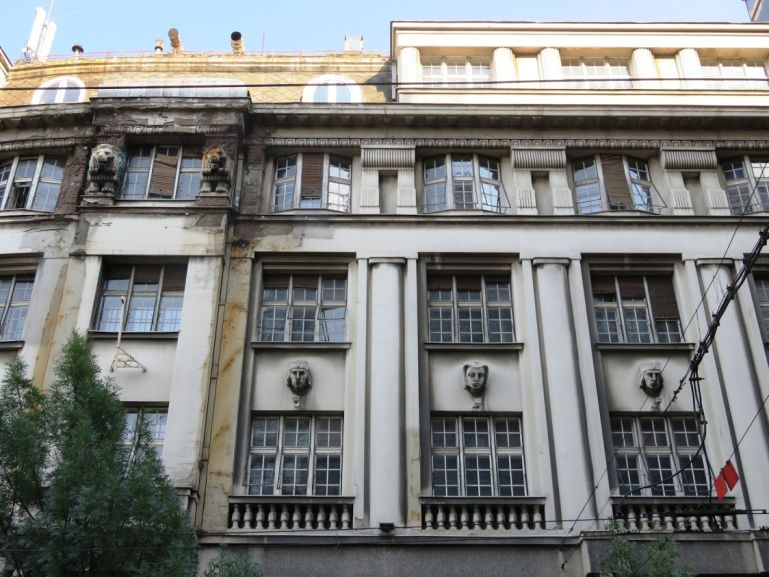
Belgrade’s younger generation is proud of their city and eager to share its stories. Several excellent free walking tours operate in Belgrade, offering insights into history, street art, and the city’s communist past. These tours are a great way to discover lesser known corners of the city.
Museums in Belgrade
Belgrade is home to several notable museums, including the Nikola Tesla Museum, the Museum of Yugoslav History, and the National Museum. While I personally preferred exploring the city streets, these museums are highly recommended for those interested in science, history, and culture.
Buying Quirky Souvenirs
Belgrade is an interesting place for souvenir shopping. You will find Tito themed magnets, retro memorabilia, and occasionally politically provocative items. It reflects Serbia’s complex identity and history, even if not everything will appeal to every visitor.
Trying Serbian Food
Serbian cuisine is hearty and closely related to neighboring Balkan countries. Meat plays a central role, with dishes like cevapcici, pljeskavica, and grilled meat platters known as rostilj.
Zeleni Venac is a great place to try local food cheaply, while Skadarlija and Zemun offer more atmospheric dining experiences. Ajvar and kajmak are must try accompaniments, and desserts like tufahije add a sweet finish.
Travel Tips for Belgrade
Where to Eat in Belgrade
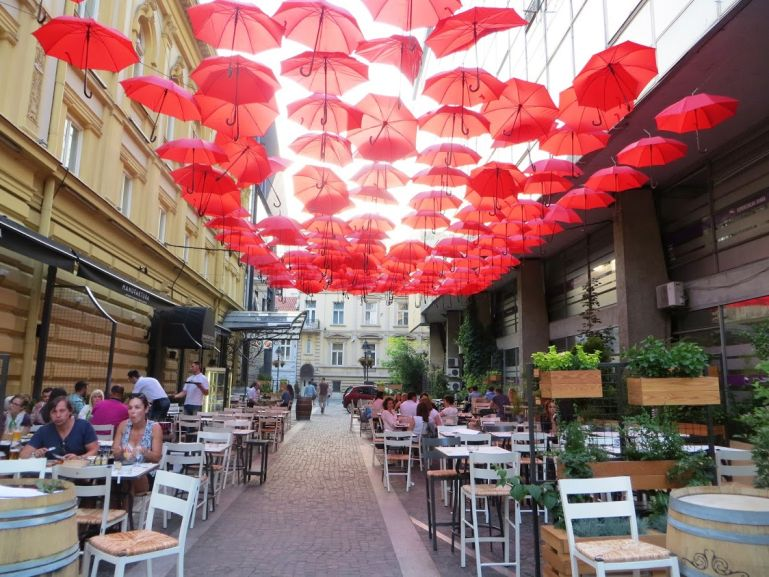
Belgrade is excellent for food lovers. Riverside restaurants in Usce offer beautiful views, while Skadarlija and Zemun provide charm and tradition. For budget options, local bakeries and eateries near Zeleni Venac are hard to beat.
Where to Sleep in Belgrade
Belgrade offers a wide range of accommodations. Budget travelers will find affordable hostels in the city center, while apartments and guesthouses provide good value for longer stays. Zemun is a great option if you prefer a quieter atmosphere.
Getting to Belgrade
Belgrade is well connected by bus and train to other Balkan cities, including Sarajevo, Sofia, Zagreb, and Budapest. Its central location makes it an excellent travel hub.
Getting Around Belgrade
Many attractions are walkable, especially in the city center. Public transport is reliable and includes buses, trams, and trolleybuses, making it easy to get around.
When to Visit Belgrade
Spring and fall offer mild weather and fewer crowds. Summer is lively with festivals but busier, while winter is cold yet atmospheric, with festive markets and events.
Sustainable Travel in Belgrade
Supporting local markets, using public transport, and staying in small guesthouses are great ways to travel responsibly in Belgrade. Choosing local food and experiences helps ensure tourism benefits the community.
Belgrade is a city that grows on you. It may not shout for attention at first glance, but once you start exploring, it reveals depth, warmth, and character that stay with you long after you leave.